By Charlotte Harmer, Head of Education
At Oppidan Education HQ, we've enjoyed digging into the education chapter of the Milburn report this week.
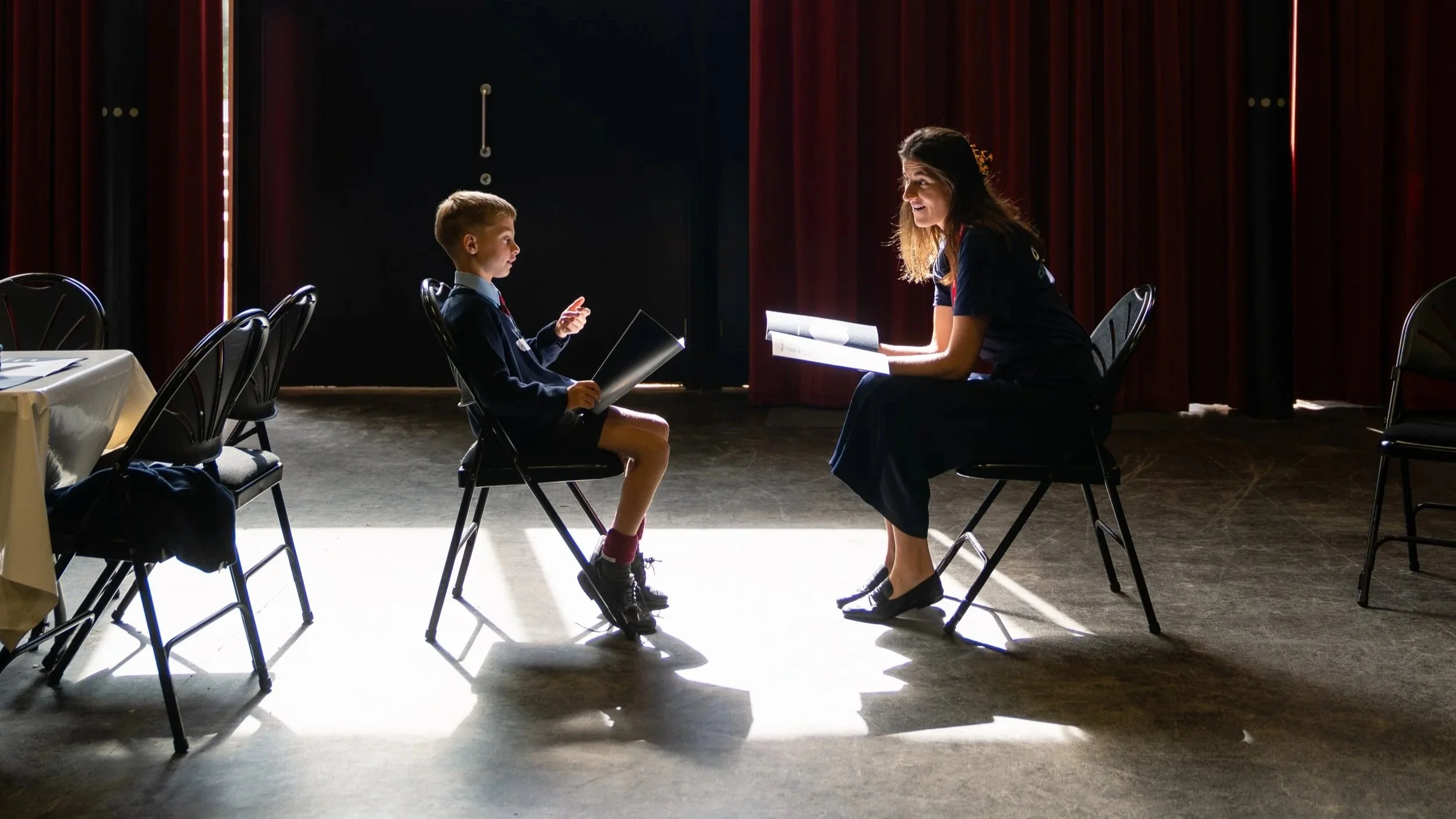
We're encouraged to see such weight given to the value of a trusted adult who knows a young person well, because we see the impact this has in mentoring sessions in schools and homes every day.
Four headlines from the report connect closely with the focus of our mentoring work in schools.
Belonging. Only 70% of 15-year-olds in the UK say they belong at school, and 27% of secondary pupils in England say they're not very or not at all motivated (Milburn, 2026). We know how powerful mentoring and peer mentoring can be in growing students' sense of belonging, and we're grateful that Oppidan Foundation grant funding continues to widen access to mentors nationally. Students often tell us that their relationship with school changes over the course of their peer mentoring programme, so we're excited to be measuring its impact on belonging this year.
Work readiness. Only 3% of employers who hired 16-year-olds said literacy or numeracy was the main problem. The bigger gap was work readiness, which the report defines as communication, time-keeping and knowing how to apply and interview (Milburn, 2026). These are the human skills we're obsessed with in our mentoring programmes. We measure students' readiness for their next steps across all our secondary programmes, and this reporting will add to schools' analysis of cohort progress and what is needed next.
Social capital. The report wants access to work experience to stop depending on who your parents know. A mentor from outside the school community widens a young person's world by showing them what's possible and helping them reach it. We can't provide work experience placements ourselves, but our mentors bring a wide range of academic and career experience to students on our school days. This term alone we have actors, authors, a palaeontologist, teachers, doctors, entrepreneurs and engineers working in our schools.
Oracy. The report proposes a new oracy check at KS3, alongside writing and numeracy. If it goes ahead, schools will need to show how students are progressing in oracy, not only in exams. Our impact reporting this year focuses on progress in oracy, confidence and character, and will help our schools evidence their oracy offer too. You can hear some of our students flexing their oracy muscles and reflecting on their mentoring here (JB to link audio clip sent in slack).
Much of the how and when of Milburn's ambitious plans is still to be decided. Even so, we're quietly hopeful that early intervention, nurturing relationships between adults and children, oracy and work readiness are getting airtime in the national conversation about the NEET crisis. We've believed for more than a decade that every young person deserves a mentor. It's promising to see a national report shining a light on it too.
Reference
Milburn, A. (2026) From a welfare state to a working state: a new settlement for the next generation. London: Department for Work and Pensions. Available at: https://www.gov.uk/government/publications/from-a-welfare-state-to-a-working-state-a-new-settlement-for-the-next-generation (Accessed: 19 November 2026).