
Three Ways to Be a Man
By Walter Kerr,
Oppidan Co-Founder
I spent ten years advising parents on their children's lives before I had a child of my own.
The latter certainly isn’t a prerequisite to do the job well - quite the opposite; some of the best educationalists I know are not parents. But it does sharpen the focus when the advice you’ve been giving centres in on your own child.
As I raise my son, and in moments of milestones celebrated, I naturally find myself trying to imaginewhat he will be like when he grows up. what world will he be growing up in? And what will masculinity mean when he becomes a man?
Over the last year I have enjoyed looking at the men around him (godparents, family, friends, colleagues, neighbours) and, in moments of amateur psychology, pick 'n' mixing the best traits of the men he will learn from.
The question becomes all the more pertinent in light of the ever-growing noise around what it means to be a man. Our media and culture have got men between their teeth – they point to a crisis of masculinity.
Netflix's Adolescence looked at the flaws of the system on the education of a young boy arrested for the murder of a classmate, whilst Louis Theroux's Inside the Manosphere met influencers selling young men swaggering misogyny. On stage, Suzie Miller's Inter Alia won her an Olivier award for the portrayal of a young man lost in the echo chamber of societal pressure. Each of these asks, in its own way, the same question: who is showing boys how to be men?
The so-called crisis is now starting to be given proper academic attention. In May, the Centre for Policy Research on Men and Boys launched the UK's first Boys' Education Commission, chaired by Peter Hyman, former headteacher and adviser to Tony Blair and Keir Starmer. His evidence looks at how boys develop confidence and belonging from early childhood into adulthood.
Leading schools are investing too. This September, St Paul's School opened its Research Centre for the Education of Boys. Sally-Anne Huang, the first woman to lead St Paul's in its 510-year history, came to the question of boys as a mother of two sons. On Oppidan's Heads & Tales podcast, she pushed back on the catastrophised picture of young men painted by shows like Adolescence. Most boys, she argues, worry about the ordinary things: friendship, self-esteem and who they want to be. "They will be kind if you give them the opportunity to be kind."
What boys need, in her view, is a tribe. At St Paul's, the house system and vertical tutoring put boys of different ages together, and the older boys become role models more powerful than any adult. Her advice to parents is to keep the door open, because when the people a child trusts shut them out, that is when they fall into the wrong hands.
So it seems like I am not alone in wondering how best to educate young men in this country. Or more simply: how to produce good men. Successful, fulfilled, happy men. Hyman and Huang arrive at the same answer from different directions: boys learn how to be men from the men, and the older boys, they can see up close.
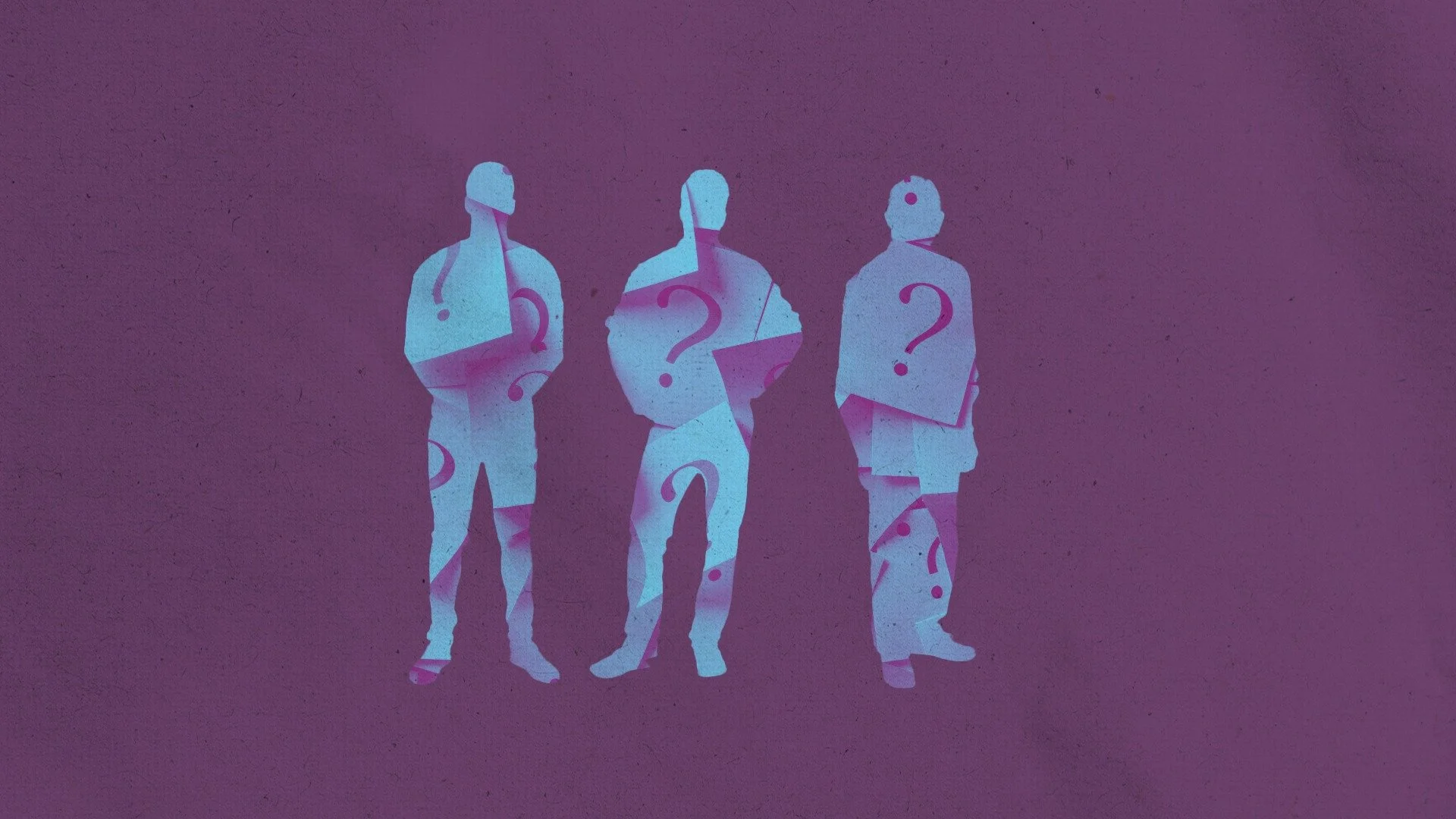
Three Men
So, as I take this context and relate it back to my own son, I have found myself looking at the men around me and asking what traits they have, what in their upbringing made them who they are, and what of that I would want to replicate for him. What I have found, is that ‘good’ masculinity presents itself in all manner of ways. Here are just three particularly stand-out ones.
1. The quiet, self-assured Man
He likes to read, and he tells a brilliant story if asked. He is happy in his own company, yet people gravitate to him -- there is peace and comfort in being around him. He believes in obligation and hates the idea of envy; he likes the countryside, and would, not in such crass terms as I say here, think of himself as a steward of nature. He is cultured [AD1] with a deep sense of moral duty and an affection for the place where he grew up. A balanced family home where both parents held authoritative roles has made him aware of the role of both men and women in bringing up children. He carries his masculinity in a quiet sense of self-worth.
2. The talented, self-deprecating Man
He’s independent and creative but doesn’t suffer fools. He neither seeks the limelight nor shies away from it. He is relatively brave with his interests too, something not every child who’s spent 10 years in an all-boys boarding environment can say about themselves. Growing up in a patriarchal household he’s had to paddle fast and is therefore very talented – an all-rounder, part-time raconteur but equally happy in his own company. He has the wherewithal to couch any bravado he might have had as a successful teenager into a glittering duality of self-mockery and self-assurance.
3. The ruthlessly organised Man
His diary is colour-coded and his word is his bond. He makes and finishes lists. He is unsentimental about wasted time and decisive when others dither, yet his order is what frees him. He is the friend who remembers birthdays, books the table and quietly picks up what others drop. The eldest child of a large family, he learned early that someone had to hold things together and decided it might as well be him. He carries his masculinity in reliability, and he invests in his friendships like nobody else I know.
My son will not need one model of masculinity. He will need several, and the freedom to ‘pick ‘n’ mix’ his own. For ten years I have told parents that every child needs adult beyond their parents to look up to and now I find myself taking my own advice. So when I wonder what kind of man he will become, I start with the men he already knows.