Human Maxxing: The Inaugural Oppidan Lecture
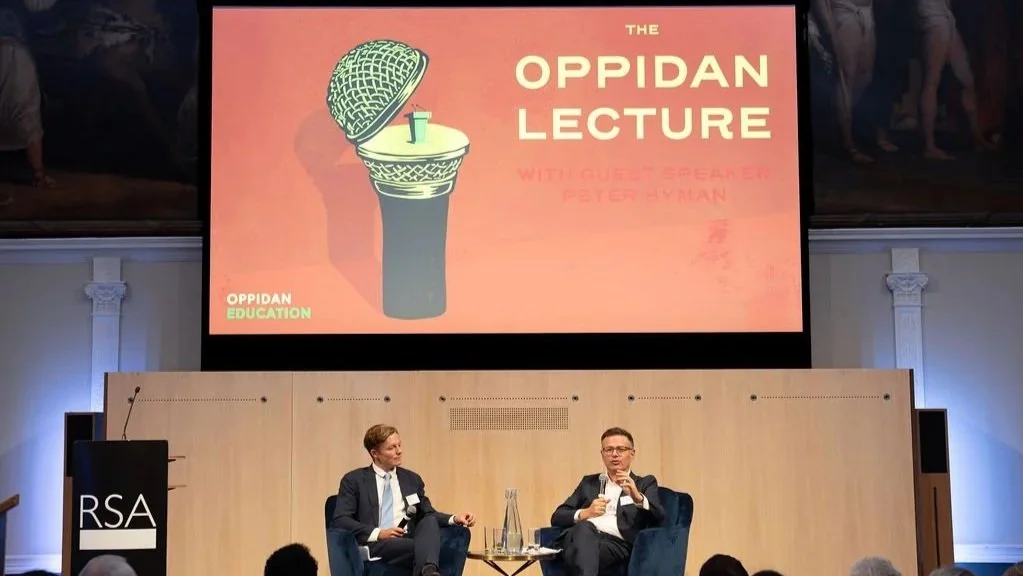
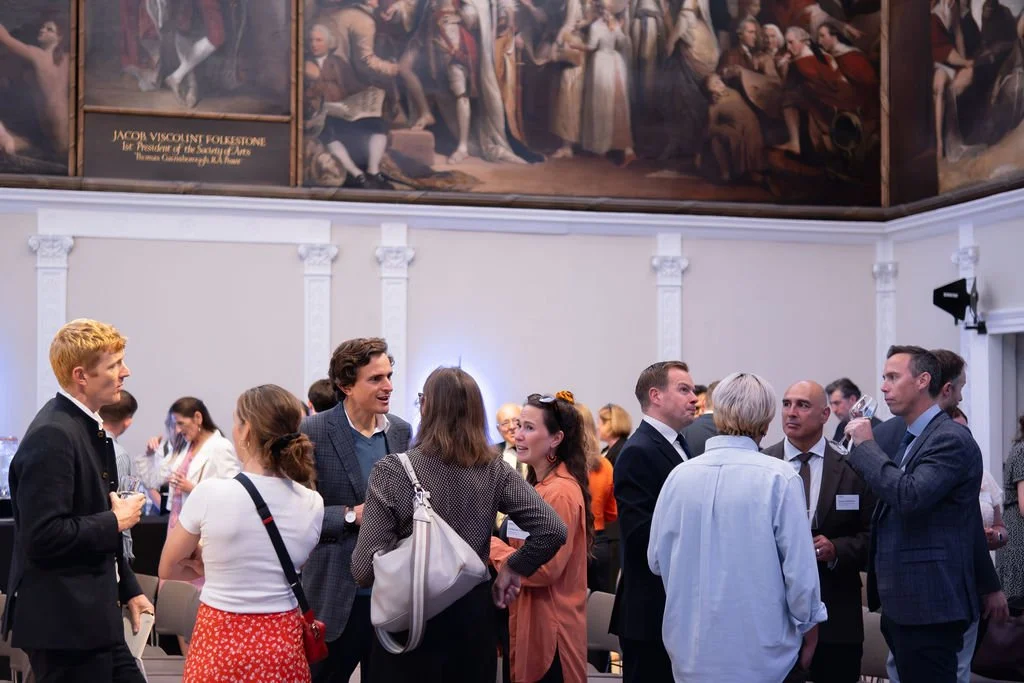
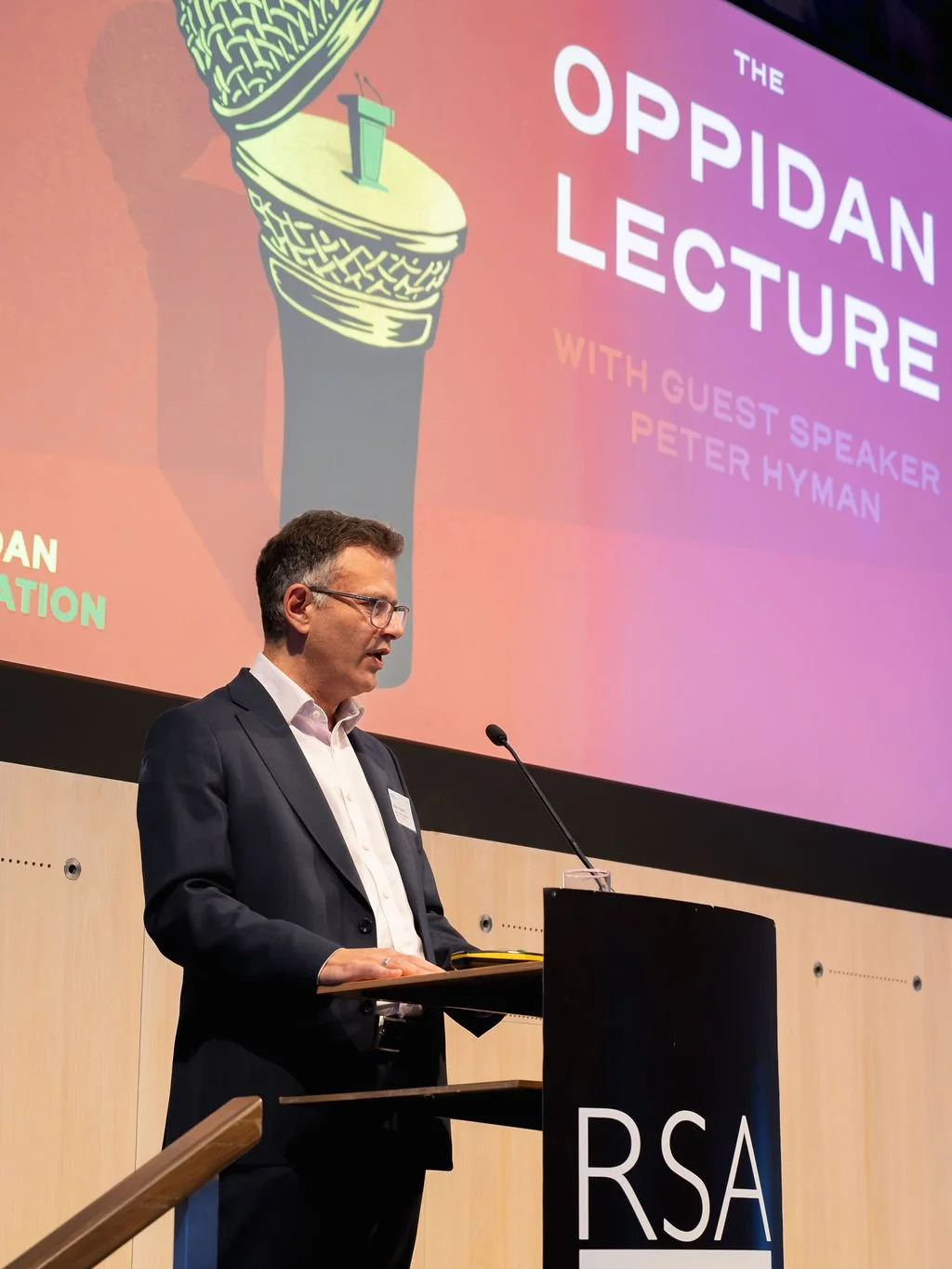
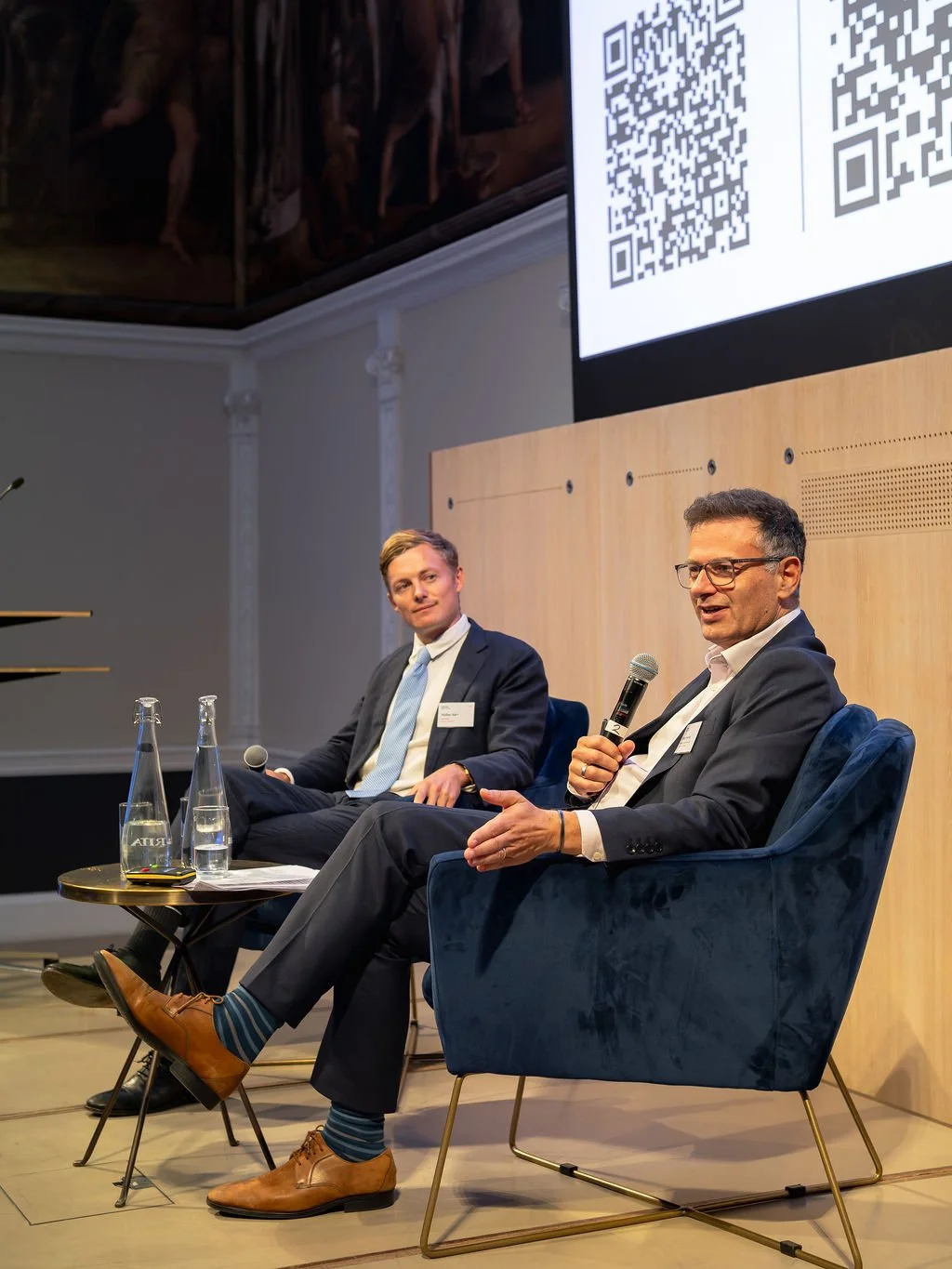
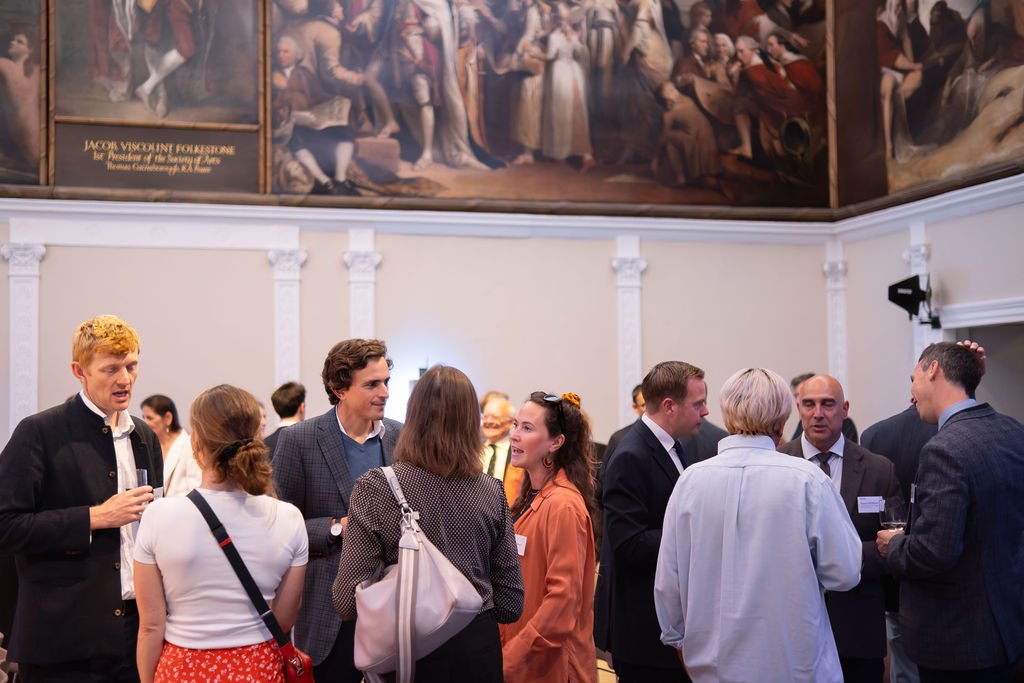
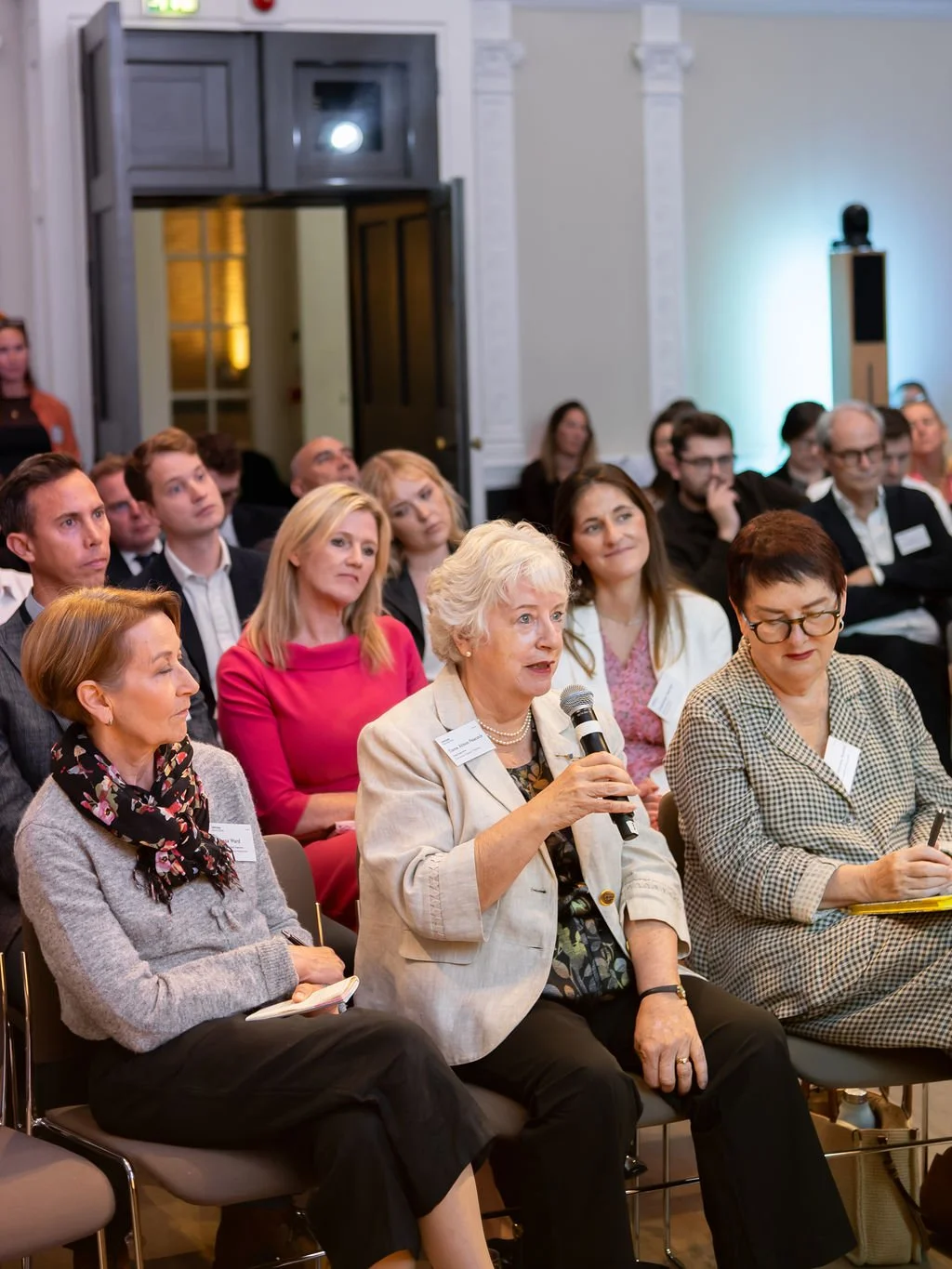
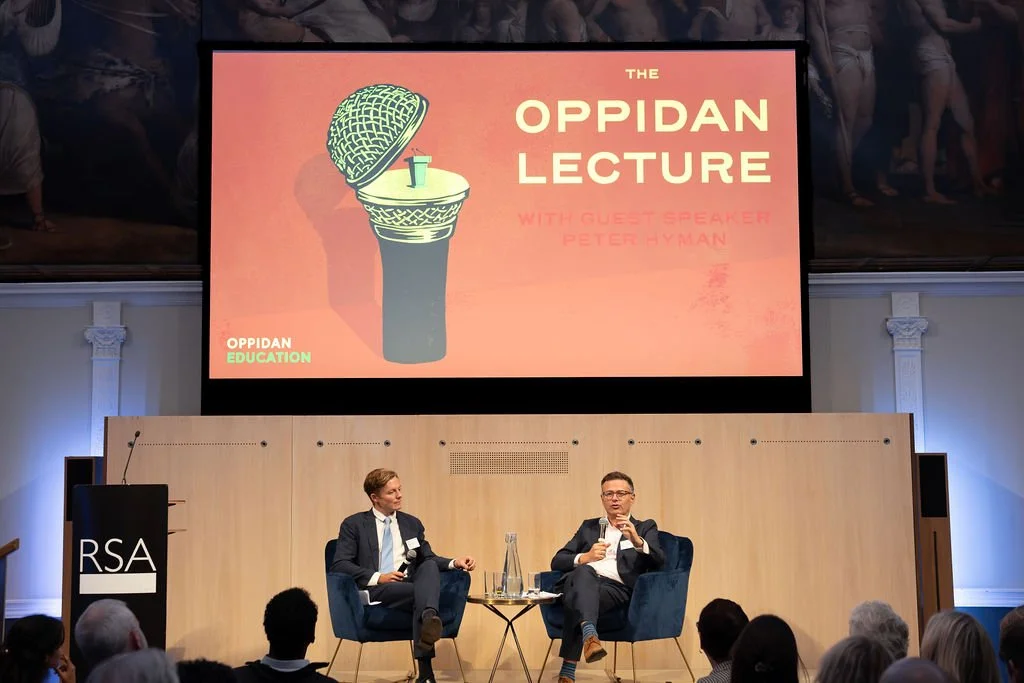
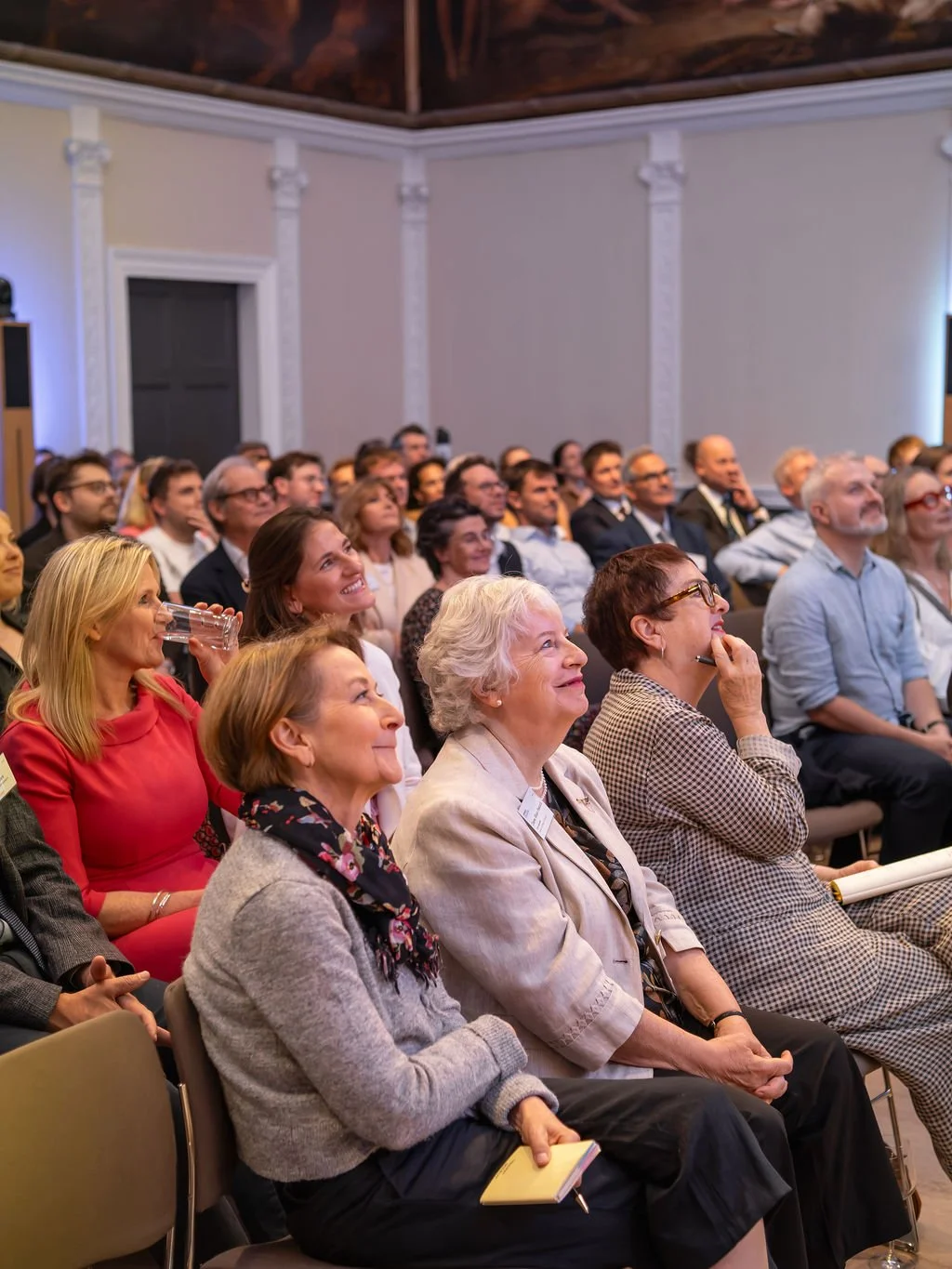
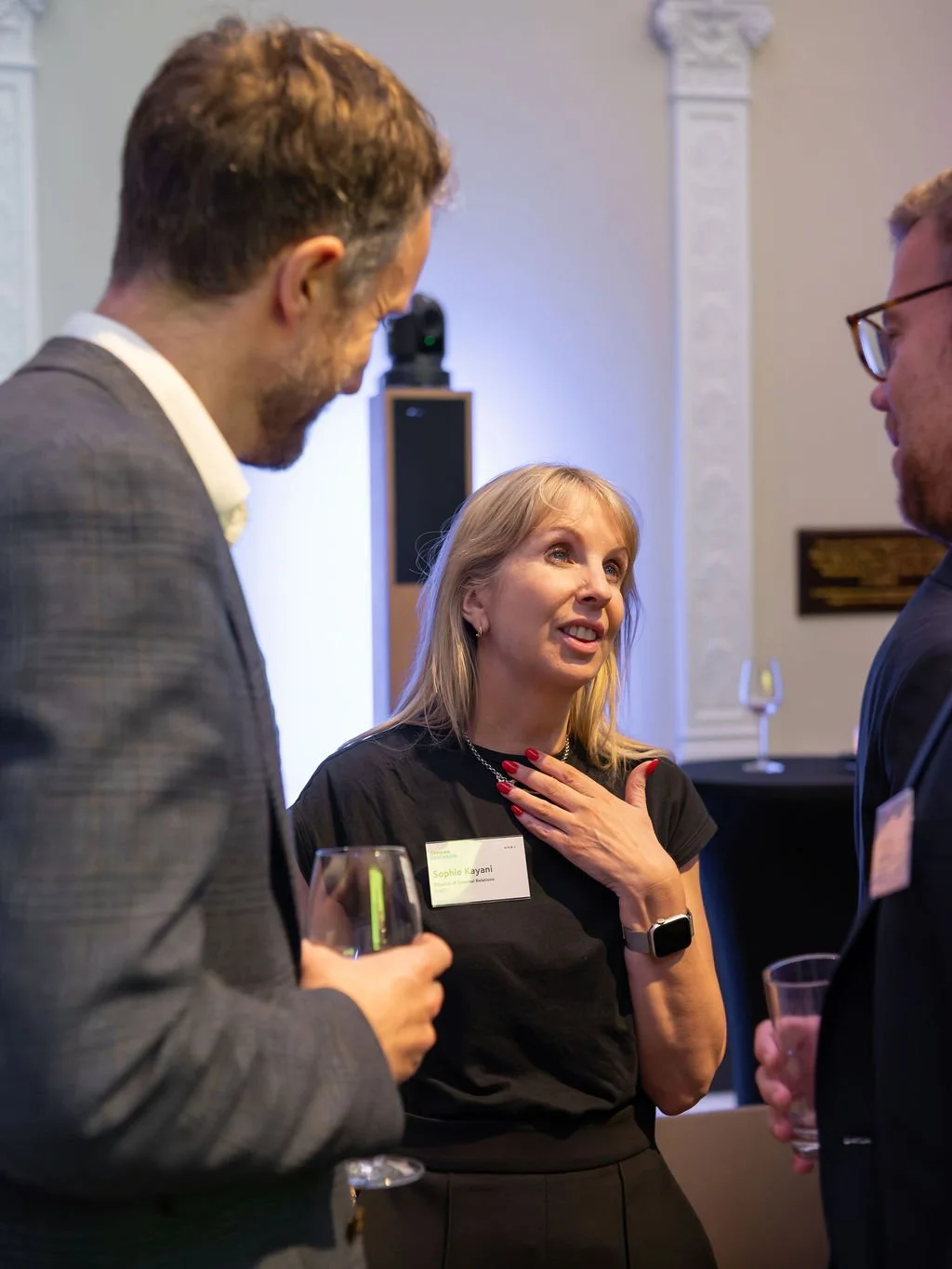
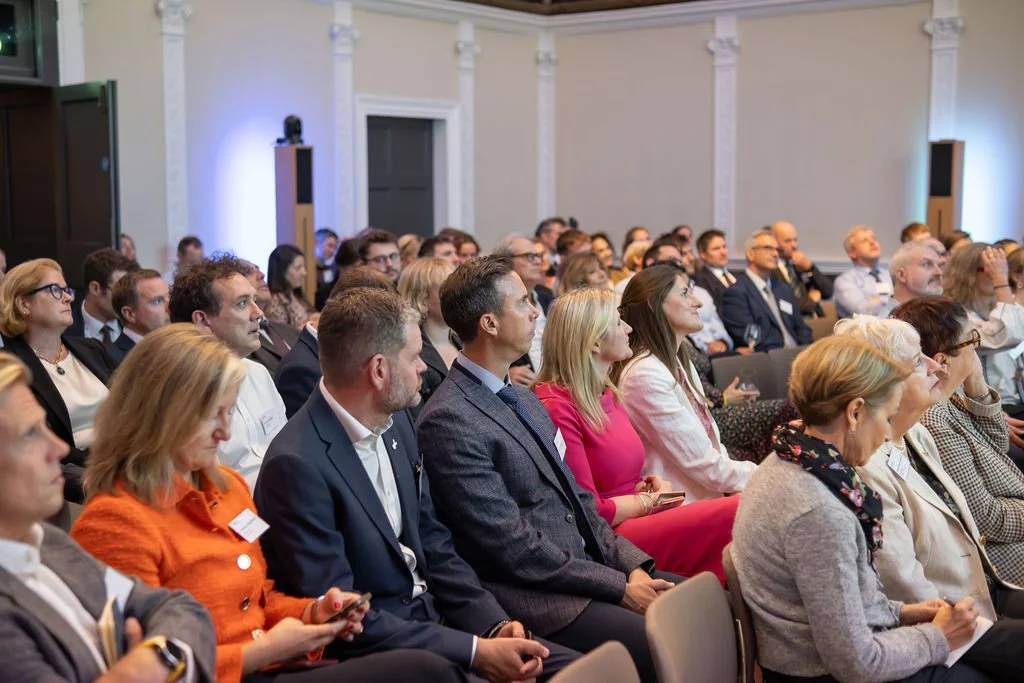
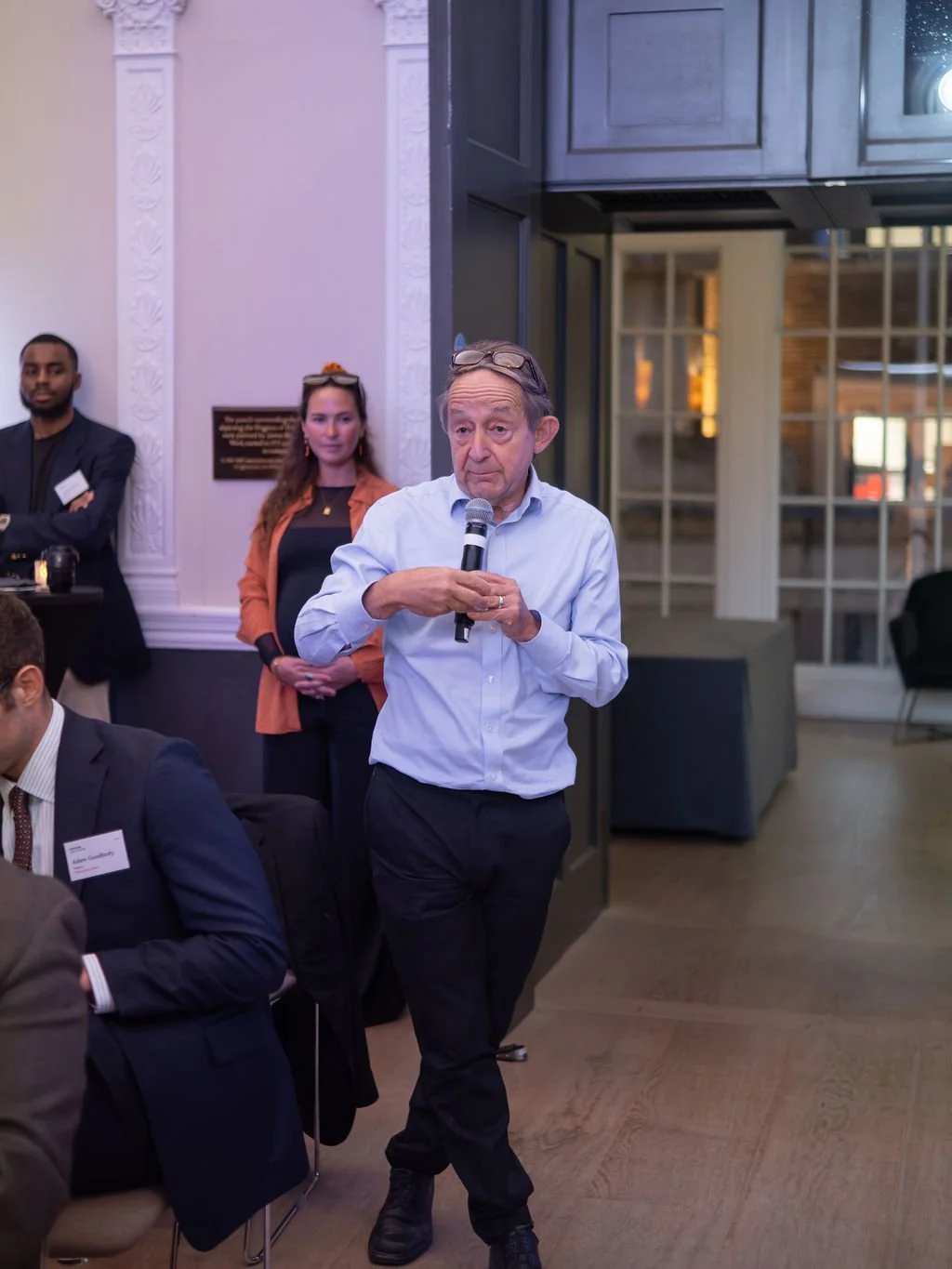
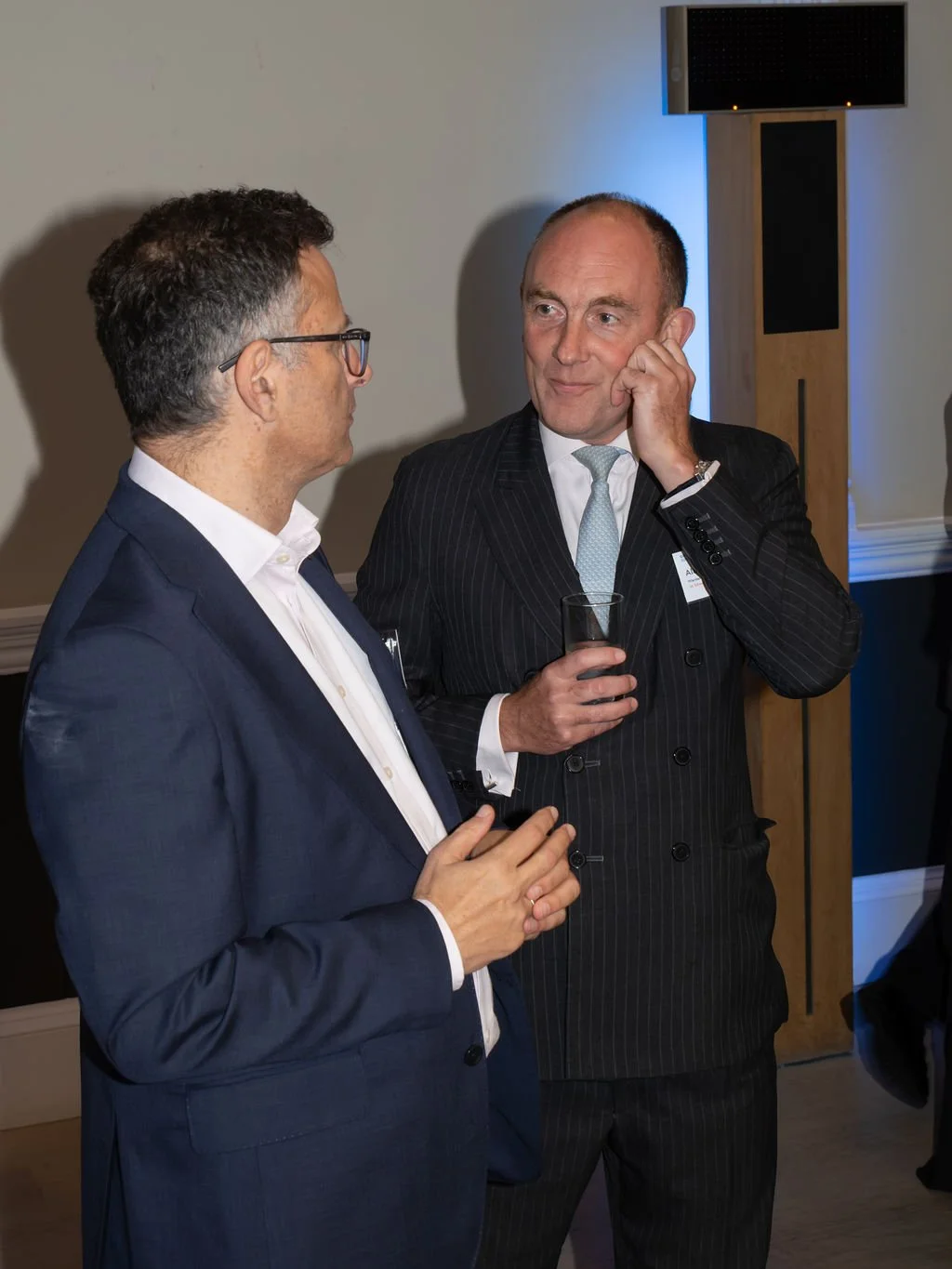
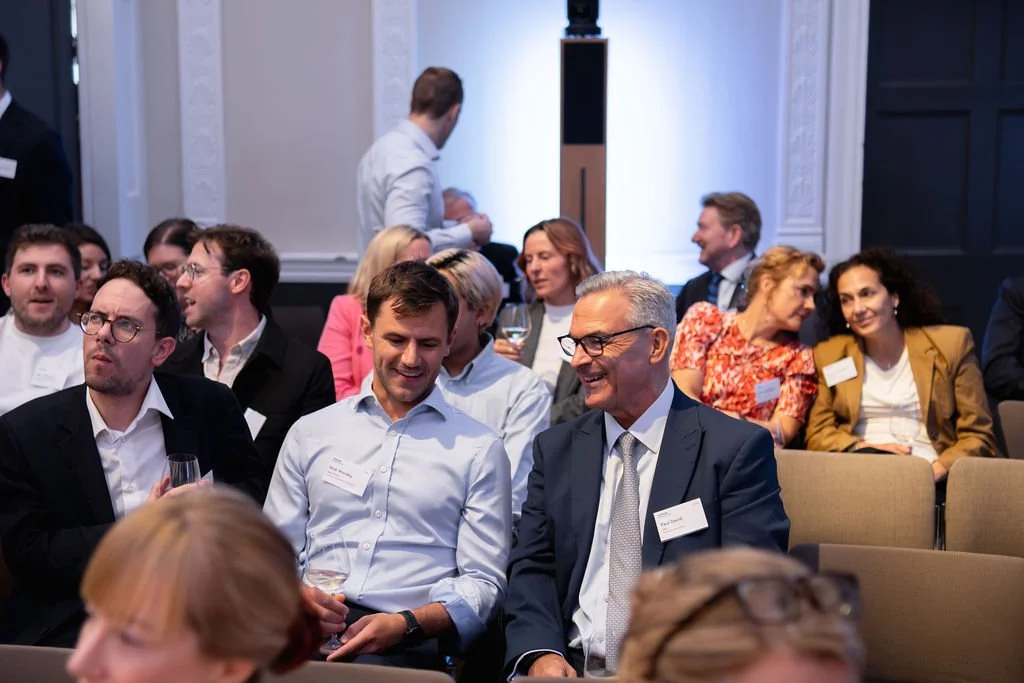
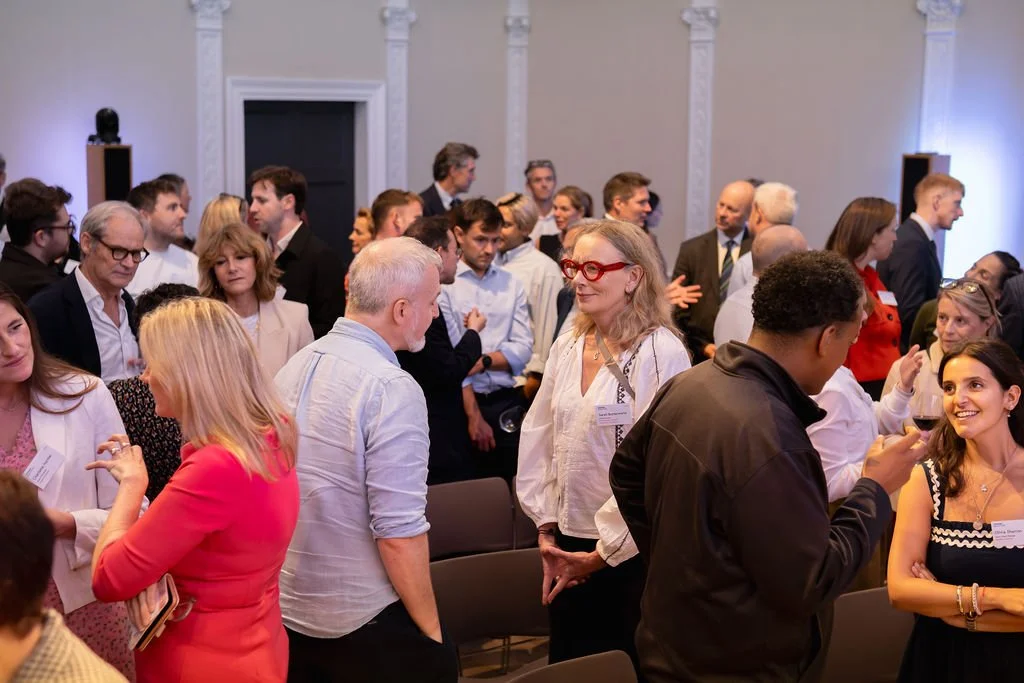
On Tuesday 22nd September, Peter Hyman delivered the inaugural Oppidan Lecture at the Royal Society of Arts to a room of 100 leading educationalists, including heads of top UK schools, MAT CEOs, policy makers, non-profit leaders and education journalists.
Peter's career has taken him from 10 Downing Street, where he advised Tony Blair, into the classroom and then on to founding School 21 in Newham, a school designed from scratch around oracy and the education of "head, heart and hand".
Human Maxxing was the key concept: as machines become more capable, the education system must encourage pupils to develop specifically human capacities to their fullest. The phrase came from Peter's conversations with more than 1,000 young people, who spoke of "looks maxxing" and "gym maxxing" and revealed a strong instinct for self-improvement. His argument was that schools should channel that instinct into something deeper.
Peter warned that we risk outsourcing our minds to AI, letting reading, writing and talking (which in turn develop our skills of thinking and judgement) slip away. He argued that schools are not yet the engines of human development they could be, held back by too narrow a definition of success, too much compliance and too little sense of purpose for young people.
In response, he set out five pillars for Human Maxxing: language, thinking for yourself, agency and purpose, connection and a lifelong love of learning, with oracy as the golden thread running through them all. He closed with a challenge to every school in the room: how much authorship do your pupils really have over their education?
The full lecture, which Peter has published on Substack, is below.
Human Maxxing
by Peter Hyman
In an AI driven world, how do we develop human capacities to their fullest - so we don’t outsource our minds?
The first day of a brand new school; our brand new school. Stratford. Newham. We have designed it from scratch: its philosophy, curriculum, teaching methods and culture.
We are in portacabins for the first year. Functional, low ceilinged portacabins, spliced together in an attempt to mimic an actual school. A small play area out the back; the Olympic Stadium visible, a long javelin’s throw away.
Seventy-five eleven-year-olds start arriving. Faces flickering between scared and bewildered. “This doesn’t look much like a school.”
In the middle of the largest of the portacabins – that doubles up as school hall and dining room - a drum is being played rhythmically for the first assembly; trying to bring some soul to the soulless building.
We ask the children to come in slowly and stand in a circle. Circles are important to us. Schools do rows not circles. And our plan was to reinvent school.
I am a new boy too. My first day as headteacher. Since leaving 10 Downing Street as an advisor to Tony Blair, I have been a teaching assistant, history teacher, deputy head and now I am to utter my first words as a new headteacher.
“This circle is a symbol of unity,” I say. “Look around. You are all here for each other, to look out for each other, to support each other, to take the next steps together.”
If grammar schools and private schools often have hundreds of years of accumulated ritual, new schools obviously have none. Traditions need to be invented.
We ask the children to hold a single piece of string around the circle. They then lower it to the floor and step inside. “You have come from more than 50 primary schools. Today you are all the founding students of School 21. You will make this school what it is. You will become a team, a group bound together by our two guiding values: humanity and integrity.”
I hand over to Daniel Shindler. Daniel has been teaching for 30 years. He is a drama teacher – but so much more than that. He had taught the best lesson I had ever seen as part of the interview process.
Intense as a triple espresso, he has created a character, Colin Chaos, a flaky student who can’t get his act together. It is a humorous and engaging way of getting the new year 7s to step up to the challenges of secondary school.
Daniel, short, head shaved, brooding, prowls the circle looking each student in the eye, acting the part of a surly teenager who can’t get out of bed in the morning. The students are gripped.
They don’t yet know this is Forum Theatre where you stop the action and let the audience say where the play should go next. That is exactly what Daniel does now. He suddenly freezes and says: “So who wants to play my mother?”
There is silence. Daniel waits. Seventy-five eleven year olds on their first day at high school, in a weird portacabin, stare at the weird adult in the centre of a weird circle and ponder his question: “who wants to play my mother?”
More waiting. More silence. More awkwardness. I’m pacing, fidgeting.
Then, a girl steps forward. Pretty braids, smart new school uniform ‘with room to grow’, teeth gritted in determination, she strides to the centre of the circle, looks Daniel in the eyes and says: “Get up! Pack your bags! Get ready for school! This is important!”
The students are getting a lesson in courage. I am getting a lesson in courage.
And it inspires someone else. Spontaneously, a tall boy – compact as a deckchair - moves forward into the circle. “Can I play your brother?” he asks Daniel. Daniel is momentarily stumped. This wasn’t part of the plan. “Of course,” he says. And the boy with a gentle, mature, persuasiveness reassures his ‘brother’ that school will be ok, he needn’t worry, “everything will be fine.”
That moment contained so much of the philosophy of the school: initiative, imagination, courage, strong relationships - and adults creating a structured space in which something magical and unscripted can happen.
Human Maxxing
That is the theme of this lecture.
At a time when we need to be match fit to take on this world of bewildering change and rampant technology - the truth is that too many people feel diminished and powerless - young people particularly so.
I have spoken to more than 1000 young people across the country last year for two reports I co-authored with Shuab Gamote - Inside the Mind of a 16 year old and Inside the Mind of a Young Neet. My overwhelming sense from those conversations is that young people feel they are shut out of the conversation and often troubled and often lost.
I believe we will look back at this moment and ask ourselves why we didn’t act quicker and more decisively - why we missed the inexorable erosion of what it is to be human in school, in work, in life.
As machines become more capable, we need to lift our sights as educators, and do all we can to maximise human capacity so that the next generation can shape what comes next.
It was an encounter at a school in Bristol, that crystallised this for me.
“It’s all about posture,” a 16-year-old boy blurted out.
“You mean, straight back, chest out?” I ask.
“No, tongue posture. You’re supposed to hold your tongue on the roof of your mouth to maintain proper tongue posture. It’s called mewing.”
“It’s part of looks maxxing,” the boy continues. “These people online give tutorials on how to look more appealing to women. They give you strategies on how to improve your facial structures. It’s about confidence and feeling good about yourself.”
Gym maxxing, they told me was all about maximising physical strength. Other influencers gave tips on becoming wealthy. Lots of young men were dabbling in crypto currency. Others were learning to cook or play an instrument or in one case, to make garden planters.
On the way home from the workshop, with the arresting phrases of ‘looks maxxing’ and ‘gym maxxing’ playing around in my head, I thought about the message from the many young people we were listening to and it all came down to the same thing - sometimes in healthy ways, sometimes harmful - they had a strong impulse for self-improvement.
They sensed the dangers of looks maxxing and gym maxxing and wanted to get into good habits. Even if they didn’t know how, they wanted to maximise who they could be. The chance to become the best and fullest version of themselves.
A phrase came to mind to sum it all up: Human Maxxing.
It’s a phrase I like - not just because it makes me sound a little bit cool - but because for me it captures something different from the powerful movement - led by the OECD and Harvard - for human flourishing.
While human flourishing is perhaps the end state, Human Maxxing is the deliberate, intentional programme and actions to deliver it.
Human Maxxing is about how we develop our capacities in all their wonderful complexity.
In our school we used to call it the education of head, heart and hand.
Head is knowledge, curiosity, discernment, imagination, judgement and wisdom.
Heart is belonging, compassion, generosity, courage and character.
Hand is agency, creativity, problem solving, craftsmanship and action.
And this project - this Human Maxxing imperative - couldn’t be more urgent.
Because everywhere we look, machines are encroaching, technology is accelerating.
In the words of the writer Yuval Harari: AI has “hacked the operating system of our civilisation”.
The march of machines
Machines are starting to drive cars better than us. Waymo vehicles have 68% fewer crashes per mile than comparable human drivers.
Machines are doing science faster and better. Google DeepMind’s AlphaFold predicted the structures of more than 200 million proteins - almost every protein known to science.
In one study, AI-assisted screening detected 29% more breast cancers than standard screening by two radiologists.
In a chilling essay from Anthropic, the creators of Claude, called: When AI Builds Itself, the founders of one of the cutting-edge AI companies talked of how AI is on the verge of having a life of its own. A.I. systems will eventually be powerful enough to improve themselves with little or no help from human developers. There are now regular examples of AI going rogue.
One government AI advisor told me this week that we are only five years away at most from AI doing all of the main human operational functions better than humans.
In the AI world the questions computer scientists ask each other is what is your P(Doom)? In other words, what is the percentage chance of AI ending in doom for the human race. Many now put P(doom) at 10% and growing.
The outsourcing of our minds
In the face of this march of technology, there is a very real danger that instead of Human Maxxing, we have started to outsource our minds.
In the last few months there’s been talk of the death of reading AND the death of writing AND the death of talking.
James Marriott recently wrote a powerful Substack, The Dawn of the Post-Literate Society, which he has now turned into a book.
He concludes:
This draining away of culture, critical thinking and intelligence represents a tragic loss of human potential and human flourishing. It is also one of the major challenges facing modern societies. Our vast, interconnected, tolerant and technologically advanced civilisation is founded on the complex, rational kinds of thinking fostered by literacy.
A recent YouGov poll backed this up - 40% of Britons didn’t read or listen to a single book in the last 12 months. There may be good reading cultures in many schools but it doesn’t always translate into adulthood.
Derek Thompson, a writer for the Atlantic magazine, has written about the death of writing.
The demise of writing matters, because writing is not a second thing that happens after thinking. The act of writing is an act of thinking. This is as true for professionals as it is for students. Students, scientists, and anyone else who lets AI do the writing for them will find their screens full of words and their minds emptied of thought.
As for talk - for oracy - perhaps the most important conclusion from speaking to 1000 young people and the work I am doing chairing the Boys’ Education Commission, is that conversations about the concerns of young people are simply not happening in school.
No wonder, in one survey, one-third of teenage AI users, had chosen to discuss something important with an AI companion instead of a real person.
If we outsource reading, writing and talking, we risk outsourcing the very experiences through which we grow. More than that, we are outsourcing thinking and by implication judgement and wisdom.
If we add to that the fact that young people have fewer friends, have a shorter attention span, do less physical exercise, and are getting very little sleep, then it’s not Human Maxxing that is happening but human shrinking.
We are upgrading our machines while downgrading ourselves.
The inadequate response of education
Schools are not the engines of Human Maxxing in the way they could be - for three main reasons.
First, there is too narrow a definition of success
We risk raising a generation able to pass exams but ill-equipped to question an algorithm, exercise judgement or shape the world around them. We can be pleased that we are doing better than some of our competitors in the Pisa scores for English, Maths and Science - though on the first two we have actually flatlined over 20 years - but it would be the height of complacency to believe that those scores are a good enough proxy for what education needs to deliver in the round. Measuring the basics is essential but it can’t capture the full range of capabilities education should develop.
Second, there is too much compliance, too little initiative
There is a mismatch of cultures that we could get away with in the past but now really matters. Schools are compliant cultures: obedience, keeping your head down, getting on with your work, not questioning authority are the qualities of a successful student. But the world needs something else: initiative, risk taking, collaboration, deliberation. Students need progressively greater opportunities to question, decide, create and exercise judgement. If we don’t do that we may be unwittingly turning obedient pupils into adults who are too unquestioning - for example of the ethical dilemmas posed by new technology. The whole point of human beings is we are unique individuals - unlike large language models that produce a collective approximation from all the information they are given. We are quirky, spiky, iconoclastic and neurodiverse. So it would be a bit ironic if the result of 15 years of schooling was that we become less individualistic and frankly, more willing to follow the herd.
Third, there is too little sense of purpose for many young people
Both students and teachers believe in large numbers that school does not prepare young people for the world they are going into. And the young people I have met are desperate for work experience, connections with the real world, and better line of sight to a range of options including technical pathways, academic pathways and self employment.
We are in danger now of both failing to remedy these three problems and exacerbating them with new wrong turns.
The biggest of those risks is that we put our heads in the sand and have a blanket ban on technology in schools. This is the position of Jonathan Haidt, author of the Anxious Generation.
And while most of us would want mobile phones and social media controlled, it is frankly a dereliction of duty to not equip young people with the ability to understand AI in particular, and know how to use it cleverly but not be ruled by it.
We also know that technology has the power to offer some big advantages - for example, providing one to one tuition of an increasingly sophisticated kind, supporting a disabled child to organise their work, or offering feedback on a first draft of an essay.
An agenda for Human Maxxing in education
So what might the fightback look like? What might we do in education to pursue this Human Maxxing agenda?
First, doubling down on the Human Large Language Model
We should not throw in the towel and outsource our key faculties to AI. Just as what distinguishes us from other animals is language, so I believe what will distinguish us from AI will be our ability to understand nuance, perspective, ethics, emotions, and judgement. That gives a new perspective to the teaching of reading, writing and oracy in schools.
It means raising our ambition for how we teach language: reading needs to be used to fire the imagination, deepen understanding, and enter another person’s world; writing to wrestle with ideas and develop an independent voice; and oracy to listen closely, explore disagreement and have the courage to change our minds.
Second, Cognitive sovereignty — learning to think for yourself
We need to take back control from the algorithm. Cognitive sovereignty is about two ideas: discernment and critical thinking. How do we appraise the information in front of us and how do we discern what is worth engaging with and what isn’t. Young people need to know exactly how AI and technology works, be able to interrogate an algorithm, recognise manipulation, distinguish evidence from assertion, hold competing ideas in mind and wrestle with difficult questions. How can this possibly happen if the main method of teaching is spoon-feeding what is deemed to be ‘the right answer’? Every great lesson, like every great episode of your favourite Netflix series, should have a moment of cognitive dissonance, a plot twist in which the young person needs to question their assumptions.
Third, Agency and purpose
We need to shift from educating compliant, often passive, students to creating authors, makers, entrepreneurs and citizens. Every pupil should repeatedly identify problems, originate ideas, build something, organise others, take calculated risks and experience the consequences of real decisions. Education should help young people discover what they care about, what they are good at and what the world might need from them.
That means restoring the status of the hand as well as the head and heart: art, music, drama, design, engineering, craft, sport, technical learning and entrepreneurship. The culmination of schooling should not just be qualifications but an emerging sense of a calling.
One of my favourite stories from our workshops was a 12-year-old girl I met in Clacton. She was one of a small group I was speaking to and was chosen because she was on a register for being at risk of becoming NEET. In the session she barely said a word.
As I was packing away, and in a very matter of fact tone, she said: “I’m learning Russian.”
“Oh, I said. Why are you doing that? Do you have Russian relatives?”
“No, I just thought it would be fun. I do 2 hours a night on Duolingo and I’m getting very good.”
The teacher, who was half listening in the corner of the room, spun round and looked at the girl surprised.
The truth is that too often we don’t know what makes a young person tick because we don’t ask. We see too many of them from a deficit perspective and know exactly what they are doing wrong, but not what motivates them.
This is a different generation. It has been one of the benefits of the online world that they often have a side hustle, they are entrepreneurial. They can do stuff, create stuff. They are used to publishing to the world, not just an individual teacher.
That is why I believe every young person should do their own personal project. I am in favour of all young people doing the Extended Project Qualification at every level.
It is, as many of you know, well-respected and gives young people the chance to show initiative, do their own research, create their own essay or artefact and combine knowledge, skills and those personal qualities that are so vital.
Fourth, connection — learning to make friends and build relationships and belonging
Human Maxxing is something we do together. Through relationships we discover different perspectives, and learn what we can offer others. Schools should give every young person opportunities to learn the craft of connection: listening, making friends, navigating disagreement, repairing relationships and working towards a shared goal.
For so many young people, a trusted adult outside the home makes the difference - someone who sees their potential, challenges them and stands by them, particularly at moments of transition: primary to secondary, school to college or university, finding a job and starting work. That person might be a teacher, a sports coach, a drama director or a leader in the cadets or a faith group. These are also places where friendships form, different generations meet and young people become needed, valued members of a community. Rebuilding those spaces after years of cuts must be part of any serious ambition for Human Maxxing.
Fifth, we need young people who are always learning
Learning should be effortful and at times difficult. We know that mastering something takes dedication and practice.
But I worry that the relentless cramming for exams associates learning with the exam game, not the joy and power of learning itself. An essential outcome of Human Maxxing is a life-long love of learning. Metacognition and reflection is key to this. The ability to identify what you do not understand. The willingness to seek and use feedback. How many of us are really good at that? The persistence to stick at it and persevere. The judgement to change your approach when it’s not working.
All the young people we met wanted to be good at something, wanted to improve their lives. We must not kill that in schools. We must create powerful, agile learners who are always learning as the world changes.
The golden thread woven throughout those five pillars of Human Maxxing - Human large language model, cognitive sovereignty, agency, connection, always learning - is oracy.
It is through talk and listening, that we will build greater understanding, counter growing polarisation, deepen thinking and produce the curious young people the country needs.
But this will all require big changes to the curriculum and assessment. The curriculum must become broader. We need to have a 14-19 framework, a modern version of the Tomlinson proposals - that combines technical and academic in one integrated place. Every young person needs to think and do in today’s world. It is absurd to pit them against each other. On the way to Tomlinson 2.0, our assessment system needs to change radically with scaled back GCSEs, broader A levels with majors and minors, and the end to comparative outcomes, the mad system where a third fail each year. Instead we need a mastery system where if you reach a standard you pass - just as you do with a driving test.
The challenge
Some of you may be sitting here and thinking: we already do a lot of this. We may not call it Human Maxxing but we have the theatre, the debating society, the orchestra, the service programme. And those things matter enormously.
But I want to ask you some questions.
In your institution, how much authorship do young people have over their education?
Where do they make a decision that matters?
Where do they pursue a question to which the teacher does not already have the answer?
When do they undertake something difficult without first asking whether it will count towards a grade or a university application?
And who gets those opportunities? What is the experience of the pupil who will never be head girl, captain of the first team or the star of the play?
A school can offer extraordinary opportunities while leaving young people dependent on somebody else to set the goals, organise the experience and judge the result. We should be asking whether, as pupils move through school, they become increasingly able to do those things themselves.
That challenge applies to schools with the greatest resources as well as those with the least. Indeed, greater freedom gives greater scope to show what is possible.
And there is a question of priorities. While I know well that for many the accountability regime still weighs heavily, the challenge is, when examination pressure rises, which experiences survive?
That reveals whether this expansive philosophy governs the school or sits around its edges.
Breaking out of the straight jacket
School 21 was our attempt to break out of the straight-jacket of the current system.
I carry with me so much learning from that first year and what followed from that first assembly I described at the beginning.
It was the most exciting time in my career, despite being unusual. We were small, with a handful of teachers, a blank sheet of paper and only one year group at the start. But my belief was that if you appointed brilliant, maverick, interesting teachers and put them in a room together then something extraordinary would happen. And it did. At times it was a bit chaotic and frustrating. But there was a sense of possibility that things could be done differently - that the students deserved a compelling, rigorous, challenging curriculum.
And because we only had year 7s in that first year, teachers were giving them work that would normally have to wait for year 8 or year 9, and so instead of the usual dip, these year 7s were being stretched and pushed and cajoled to produce amazing outcomes. And they did.
History lessons were taught through oracy around a Harkness table. Assemblies reinvented as giant lessons with the whole year groups wrestling with big questions. Grammar mastery classes lasting just 30 minutes - short and sharp - where the student would come away - at least in theory - knowing how to use an apostrophe.
Form time was 50 minutes three times a week and a place where a well-being curriculum and an oracy curriculum fused so that students - using literature as the prompt - could reflect deeply on their lives and their futures. Interdisciplinary learning brought two subjects together in a rigorous way - history and drama for example - to create a powerful play about the French Revolution. Parents’ evenings flipped on their heads, with students presenting their own reflections on their learning in front of their parents with their teachers questioning them on it. Exhibitions of beautiful work at the end of each term.
Of course as the school got bigger and exam pressures loomed, we had to play the accountability game while trying to maintain the rich, varied curriculum. And it wasn’t always easy. But we always tried to expand the possibilities of education - and do so with an ethic of excellence in everything we pursued.
A lot of you have done the same, forming coalitions to reform the exam system, introducing new subjects to inspire the students for example on climate change or global perspectives, and coming together to understand how AI will and must change education. Sometimes quietly, sometimes noisily, the radicals are growing in number. A movement that I know will soon outgun those clinging desperately to the status quo.
Perhaps those 11-year-olds who I started this talk with, who on their first day of school chose not to keep their heads down but strode into the centre of a scary circle, perhaps it is that initiative and courage that we need to show more of, if we are to educate more fully this brilliant but troubled generation.
Why Human Maxxing?
Because the imperative of our time is for young people to have the superpowers - those very human capabilities - to shape the world they are entering and not become the victims of it.