Westminster School Admissions 2026: 13+ and 16+ Entry Guide
Last updated August 2026
Westminster School occupies a slightly unusual position among Britain’s leading senior schools: it is academically formidable, unmistakably urban, and, after more than four centuries, in the middle of the biggest change in its history.
From September 2028, girls will join Westminster School at 13+ for the first time. Girls have studied in the Sixth Form since 1973, but the move to admit them lower down marks the point at which Westminster becomes fully co-educational. For parents trying to make sense of what applies to whom, and when, the timeline matters, and a lot of the guidance online hasn’t caught up with it.
This guide covers the two main entry points into Westminster School itself, 13+ and 16+, as they stand now, with what’s changing clearly flagged.
Westminster School at a glance
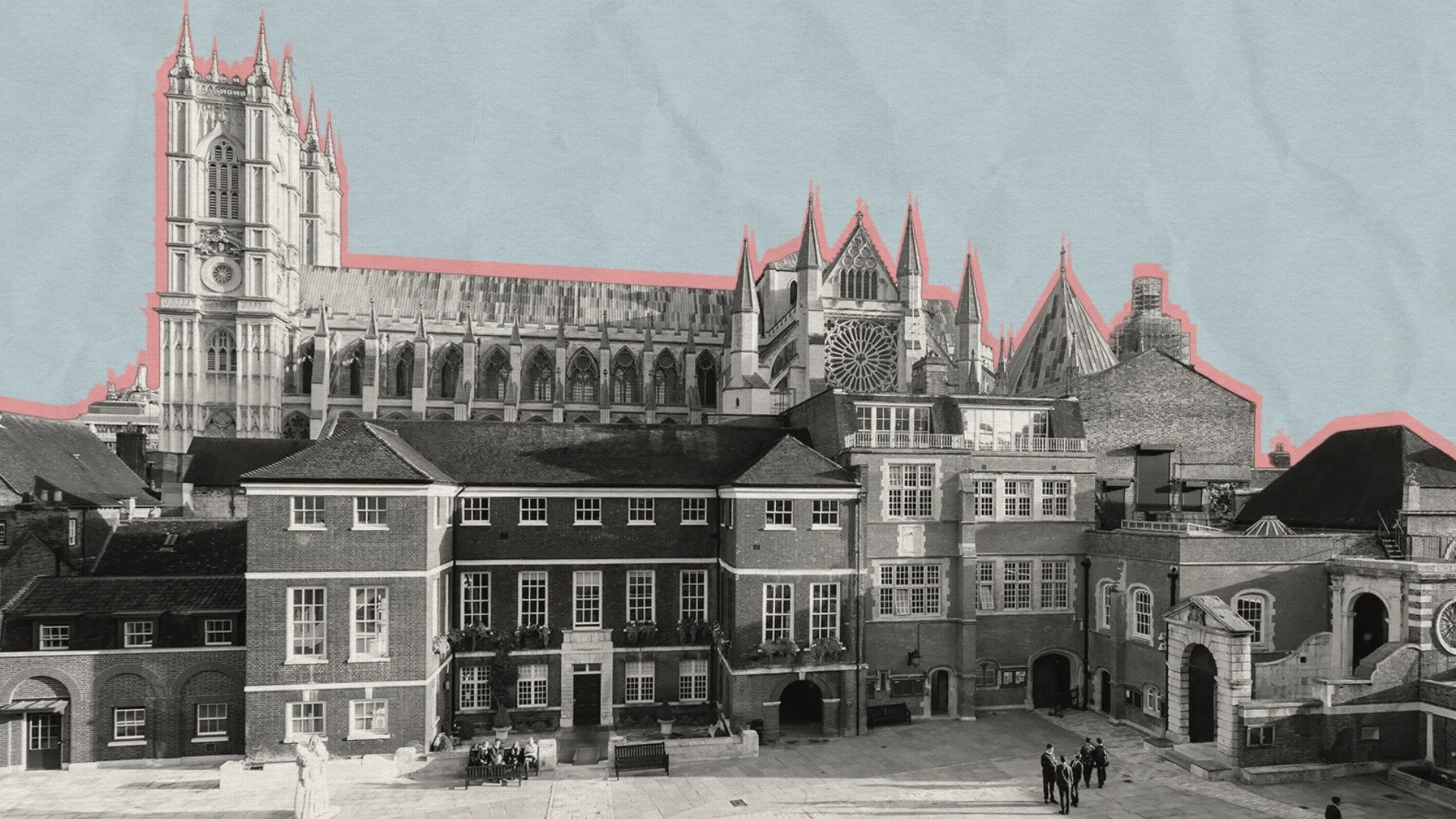
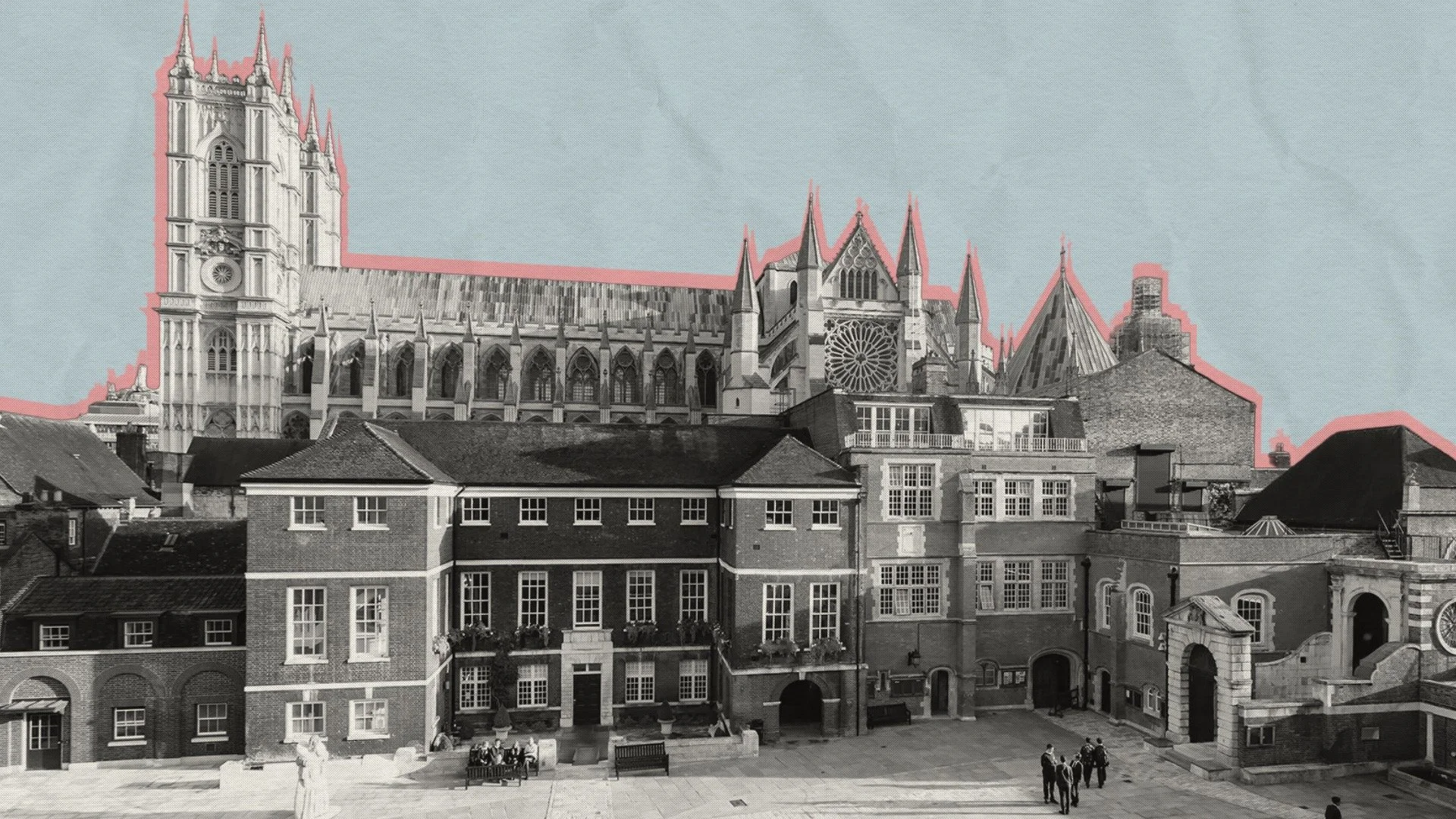
Westminster sits in the heart of London, in Dean’s Yard beside Westminster Abbey. It traces its history to the fourteenth century and was re-founded by Elizabeth I in 1560. It educates pupils from 13 to 18 at the senior school (known as the Great School), with its associated prep school, Westminster Under School, taking pupils from 4 to 13 on a separate site at Vincent Square.
It is one of the most academically successful schools in the country, known for an atmosphere the school itself describes as open-minded enquiry “without dogma, prejudice or unthinking conformity”. It is a largely day school with some boarding, and boarding at 13+ is limited to UK-based families, more on that below.
The move to co-education: what applies now
Because this causes the most confusion, here is the timeline in plain terms, taken from Westminster’s own published plans:
Since 1973: girls have been admitted to the Sixth Form at 16+.
September 2026: girls join Westminster Under School (the prep school) in Years 3 and 7, alongside a new co-educational pre-prep at Reception.
September 2028: girls join Westminster School itself in Year 9, at 13+, for the first time.
September 2030: every year group, from Reception to Year 13, is co-educational.
So if you are applying for 16+, Westminster has been co-educational at that level for over fifty years. If you are applying for 13+ for entry in 2028 or later, girls are now included. For 13+ entry before 2028, the Great School remains boys-only, though the Under School is already changing beneath it.
How do you apply to Westminster at 13+?
Around 125 pupils join Westminster in the Fifth Form (Year 9) at 13+ each year. A little under half come up from Westminster Under School; the rest come from a wide range of prep and other schools, taking both day and boarding places.
Registration
Registration is completed online, the year before the assessment process, and Westminster operates a registration age checker on its site so you can confirm exactly when your child is eligible to apply. The 13+ registration fee is £360, non-refundable.
One important point specific to Westminster: it is not a suitable boarding environment for pupils under 16 whose parents live overseas. The school does not accept international pupils at 13+ or offer Child Student visa sponsorship at that age. International boarding is available only in the Sixth Form.
The assessment: ISEB Pre-Test, then Westminster’s own tests
Westminster’s 13+ selection has two stages.
First, candidates sit the ISEB Common Pre-Test, an online, age-standardised, adaptive assessment in English, Maths, Verbal Reasoning and Non-Verbal Reasoning, usually taken at the child’s current school. A single set of results can be shared with other senior schools, so most children sit it once regardless of how many schools they are considering.
Candidates who perform strongly in the Pre-Test, and who have a positive reference from their current school, are then invited to Westminster for interview and further written tests in English and Mathematics. Westminster describes its interviews as deliberately informal and natural, conducted by experienced senior staff. The school says it is looking for well-rounded, balanced pupils as well as those with exceptional ability.
Offers
Candidates who are not offered an immediate place may be placed on a waiting list, with the school periodically asking current heads for updates on those pupils’ progress. Successful candidates confirm their place with an entrance fee and deposit (see fees below), and entry to the Great School is subject to continued good conduct and academic progress at their current school through to the end of Year 8.
How does Westminster Sixth Form (16+) entry work?
The Sixth Form is where Westminster takes its largest external intake, and it is highly competitive. Around 200 pupils enter the Sixth Form each year, some continuing from Year 11, others joining from a wide range of UK and international schools, taking day and boarding places. Historically the majority of external 16+ applicants have been girls, since this was the only point at which girls could join; that will naturally shift as co-education beds in lower down the school.
Registration and timeline
Registration opens the year before entry and runs across the summer, for 2027 entry, for example, it opened on 1 June 2026 and closed on 30 September 2026. Registration and open-day dates for each year are published in February of the year before, so it is worth checking the school’s site at that point. There are two open days each year, in June and September, with booking opening on 1 April.
As part of registration, each candidate selects the four subjects they wish to study at A Level, and these become the subjects in which they are examined.
The assessment
The 16+ process centres on a written examination in the candidate’s four chosen subjects, held at Westminster in November of the year before entry. Shortlisted candidates then attend an interview day, also in November, which all candidates, including those from overseas, must attend in person.
Offers are conditional on GCSE performance. Westminster’s published expectation is demanding: candidates are typically expected to achieve top grades (7–9) across their GCSEs, with particularly high marks in the subjects they intend to pursue at A Level.
Westminster School fees 2026–27
Westminster’s fees include VAT, which independent schools have had to charge since January 2025. The current published figures are:
13+ day pupils: £16,456 per term, approximately £49,368 per year
16+ day pupils: £17,482 per term, approximately £52,446 per year
13+ and 16+ boarding pupils: £23,094 per term, approximately £69,282 per year
On top of fees, families should budget for the application costs: a non-refundable registration fee of £360, an entrance fee of £2,400 on acceptance, and an acceptance deposit of £4,000 (£5,000 for international boarders), refundable when the pupil leaves. Pupils who enter via the Under School at 11+ do not pay the 13+ entrance fee, and a family awarded a 100% bursary does not pay it either.
Fees are reviewed annually and usually updated in early July, so check Westminster’s own fees page for the current figures before you budget.
Scholarships and bursaries at Westminster
Westminster separates recognition from financial help, and it is worth understanding which is which.
King’s Scholarships are the school’s academic awards, and its most prestigious. King’s Scholars, the “QSs”, or Queen’s/King’s Scholars, carry particular privileges within the school, including involvement in services at Westminster Abbey, and are required to board. At 13+, academic scholarship candidates sit Westminster’s demanding Challenge papers (samples are on the school’s site) and need their head’s support to enter. At 16+, academic scholars are selected on their performance in the entrance examinations.
Music Scholarships are available at both entry points, awarded on competitive audition regardless of parental income, and carry a fee reduction plus free music lessons.
Bursaries are the means-tested route to genuine financial help, and can cover up to 100% of fees for able pupils whose families cannot meet the cost. Bursaries are assessed on financial need, and the fee waivers for registration and entrance costs are available to bursary families who need them. Westminster has explicitly linked its move to co-education with a commitment to increasing bursary provision, so this is an area the school says it is actively expanding.
If you are weighing up bursary options more broadly, our guide to UK schools with the strongest bursary provision covers how means-testing works and which schools offer what.
What Westminster is looking for
Westminster is unapologetically academic, and there is no route around that: the Pre-Test, the subject examinations and the Challenge papers are all designed to find genuine intellectual ability. But the school is consistent, across its own materials, in saying it wants well-rounded and balanced pupils rather than exam machines, children who are curious, who think independently, and who will thrive in an environment it describes as grown-up and collegiate.
That combination, real academic horsepower plus the confidence to think aloud and hold a view in an unfamiliar room, is what the interview is designed to find. It is also the hardest part to prepare for by cramming, because it isn’t a body of knowledge; it’s a habit of mind.
Frequently asked questions
Is Westminster School co-educational?
The Sixth Form (16+) has admitted girls since 1973. From September 2028, girls will also join at 13+ for the first time, and by 2030 every year group will be co-educational. Westminster Under School began admitting girls in Years 3 and 7 from September 2026.
When is the Westminster 13+ registration deadline?
Registration is completed online the year before assessment. Use the school’s registration age checker to confirm your child’s eligibility and exact dates. The registration fee is £360.
Does Westminster use the ISEB Common Pre-Test?
Yes, at 13+. Candidates sit the ISEB Pre-Test first, and strong performers are invited for interview and further tests in English and Maths at the school.
Can international students join Westminster at 13+?
No. Westminster does not accept pupils under 16 who board while their parents live overseas, so there is no international boarding or visa sponsorship at 13+. International boarding is available only in the Sixth Form.
How much are Westminster School fees?
For 2026–27: around £49,368 a year for 13+ day pupils, £52,446 for 16+ day pupils, and £69,282 for boarders, all including VAT. Registration, entrance and deposit costs apply on top.
What is a King’s Scholarship at Westminster?
It is Westminster’s top academic award. King’s Scholars board, hold particular privileges including a role in Westminster Abbey services, and are selected through the Challenge papers at 13+ or the entrance exams at 16+.
What grades do you need for Westminster Sixth Form?
Offers are conditional on strong GCSE results, typically grades 7 to 9 across the board, with the highest marks in the four subjects chosen for A Level. Candidates sit written papers in those four subjects in November.
Preparing for Westminster with Oppidan
Westminster rewards genuine intellectual curiosity and the confidence to show it. Its interviews and Challenge papers are designed to see past coaching to the way a child actually thinks, which means the most useful preparation isn’t drilling, it’s helping a child become a more confident, more articulate, more independent thinker.
That is what our mentors do. We support families through 13+ entry and the ISEB Pre-Test, interview preparation, and school search and placement, including honest conversations about whether Westminster, or another school, is the right fit for your particular child. For an academically selective school like Westminster, that fit question matters as much as the preparation.
Speak to our team about Westminster School.
Related articles