Preparing for High School Placement Interviews
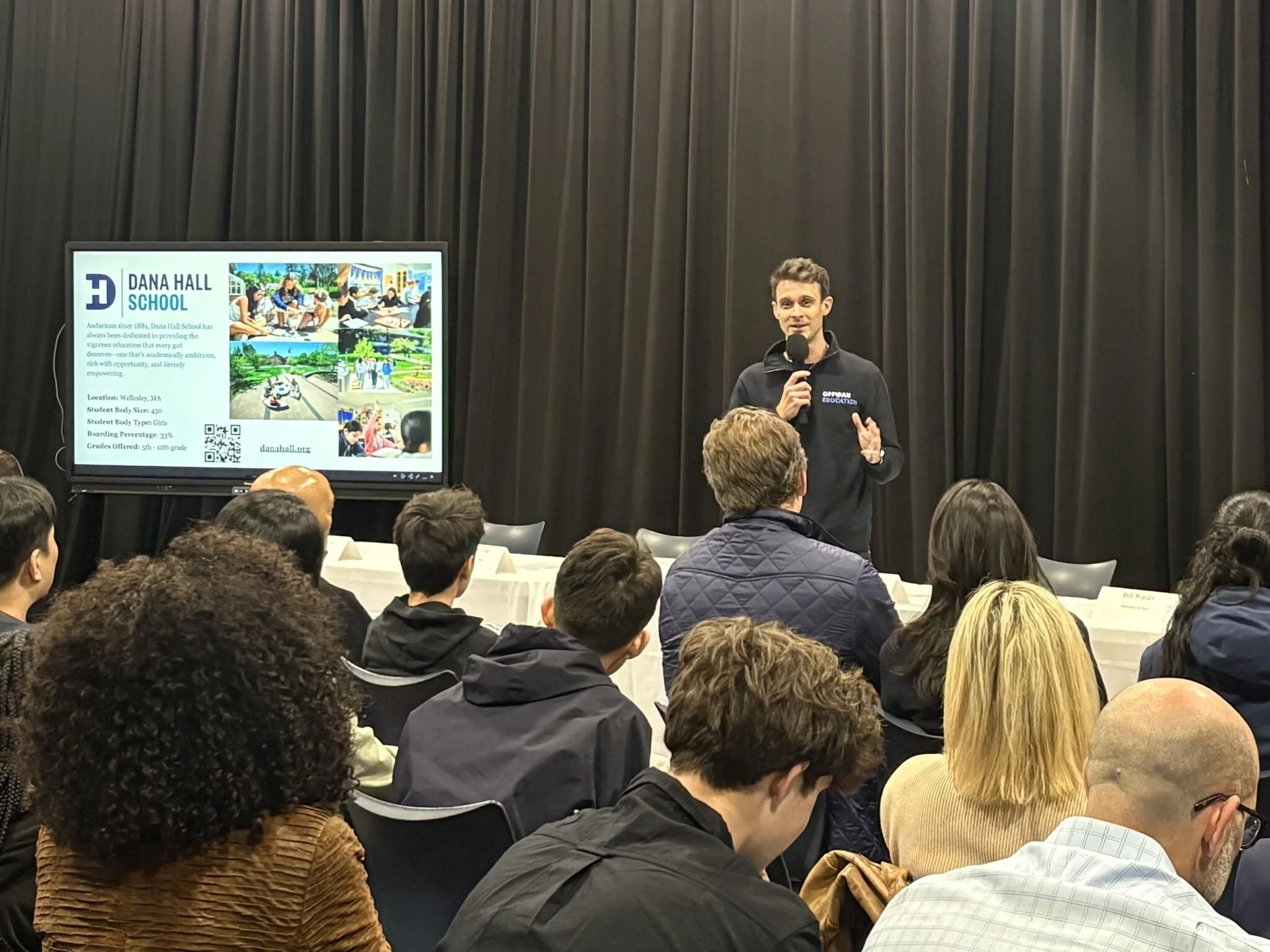
We’ve led parent talks and student workshops in 100+ schools where early adolescents are applying to selective secondary schools.
While in the UK, children go through interviews as young as 11 years old, US students are typically engaging with interviews as part of their 8th Grade placement process into selective day and boarding schools.
From London to New York, we are often asked how best parents can support their child’s preparation at home.
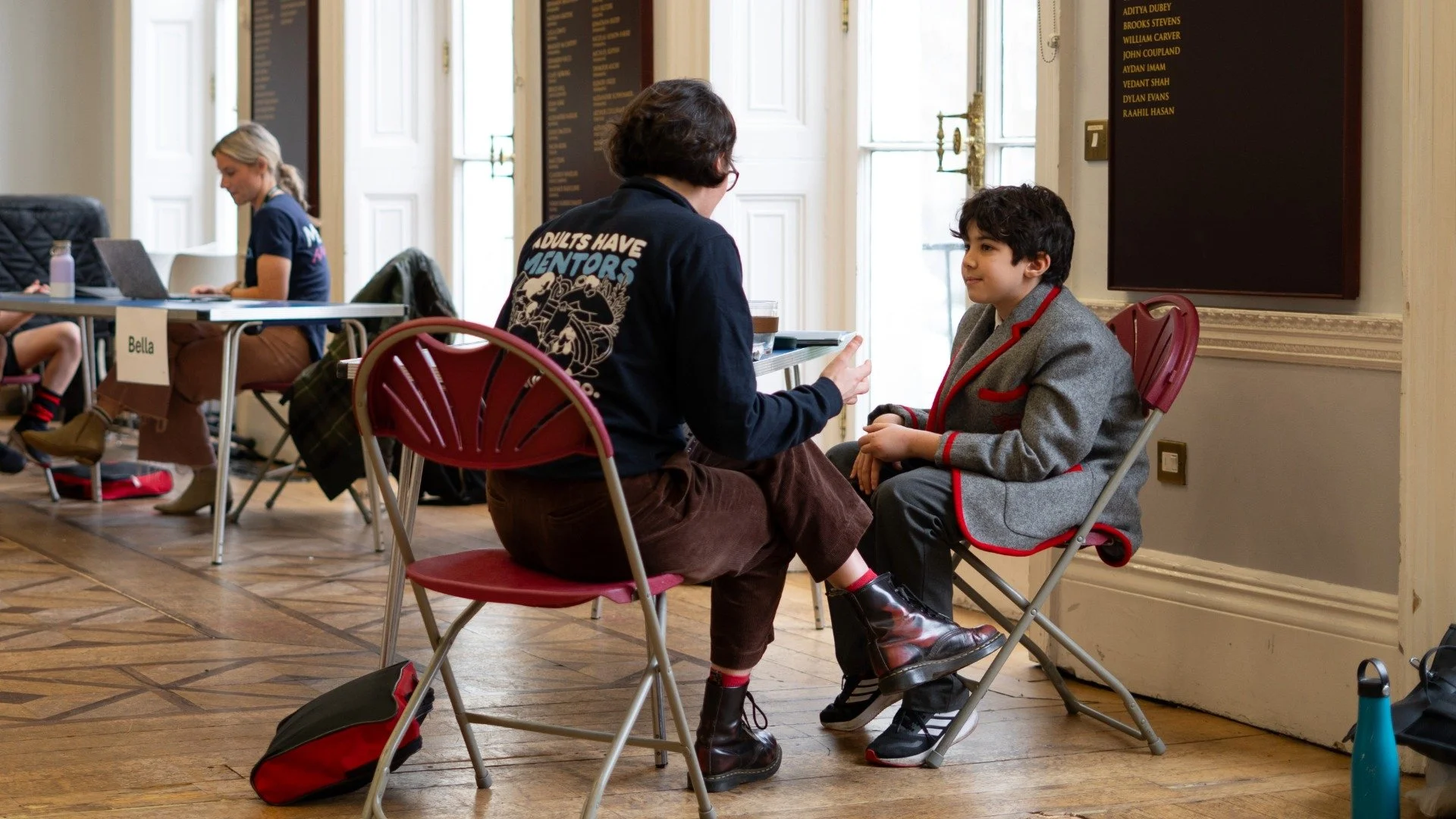
Over ten years of 1:1 mentoring and collaboration with leading schools to further support the secondary school transition process has helped shape our thinking around how best to prepare children for what is often their first ever interview scenario. Crucially, supporting your child to flourish and showcase their authentic self on interview day relies on fostering their self-belief, building their communication skills and empowering them to own their story in discussion with adults. These are highly challenging ingredients for success for any adult, so here are our top tips for your child to guide them on their pathway to success:
1.
Be informed: what makes this school special in your eyes? Try to go a little deeper than the facilities. What jumps out to you about the school and how do you feel your values align with the school’s?
2.
Be you: schools are interested in you and what genuinely makes you tick so practise expressing your passions with conviction. Over-rehearsed responses where you share interests which are not your own should be avoided.
3.
Squeeze the juice: Remember to share your views with enthusiasm at interview and develop all your responses with justified opinions, squeezing everything out of the time you have with the interviewer.
4.
Remember the power of the pause: Lost for words? Harness the power of the pause to buy you some time and allow you to steer the conversation back to your strengths. Record yourself practising questions with family or friends – which words are you overusing? Where might you replace “umm” or “errr” with a powerful pause?
5.
Stay in the driving seat: schools want to learn about your thinking and your perspective on key issues so remember to steer the conversation. You can direct current affairs questions to focus on areas you find most interesting – your enthusiasm will be key to a successful discussion.